

The Unseen Impact of British Horse Racing Not On: A Closer Look
British horse racing has long been a cornerstone of the country’s sporting culture, with a rich history intertwined with social traditions and economic impact. However, in recent years, there have been instances when certain events have not taken place as scheduled. These moments raise significant questions and concerns about what happens when British horse racing is not on. The effects ripple through the betting community and the sport itself, impacting both casual fans and seasoned punters. For those seeking alternatives during these periods, British horse racing not on GamStop horse betting not on GamStop may provide a way to continue their passion without interruption.
The Tradition of British Horse Racing
Horse racing in Britain is not merely a sport; it is an institution. From the grandeur of Ascot Races to the excitement of the Grand National, these events are steeped in tradition and draw in vast crowds from all walks of life. The British horse racing season runs throughout the year, with peak events captivating the imaginations of millions. The National Hunt season and Flat racing season showcase the best of equine athletes and jockeys, drawing significant media attention and betting activities.
Reasons Why Racing May Be Canceled
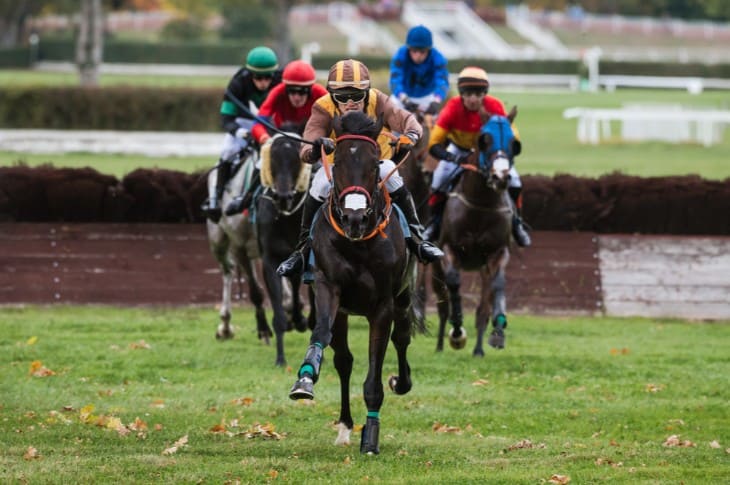
While the charm of British horse racing endures, there are various reasons why races may be canceled. Weather conditions are one of the most frequently cited influences; heavy rain or snow can render tracks unsafe, prompting organizers to call off events. Additionally, health concerns, such as equine diseases, can lead to swift cancellations to protect both horses and jockeys. On a broader scale, economic factors and changes in public interest can also impact the scheduling of races, leading to unforeseen cancellations.
The Economic Impact of Non-Running Events
Cancellations or postponements of racing events can have significant economic ramifications. Venues lose out on ticket sales, local businesses suffer from reduced foot traffic, and the betting industry sees noticeable declines. The ripple effects of these cancellations can extend far beyond the immediate economic impact, affecting jobs and livelihoods connected to the sport—from stable hands to hospitality staff in and around racecourses.
Shifts in Betting Trends and Opportunities
When horse racing events are not on, betting enthusiasts are left seeking alternatives to engage their interests. This shift often leads to increased activity in other sporting events or online betting platforms. The absence of regular races can motivate punters to explore different types of gambling, such as virtual sports, esports, or even international horse racing events. In this landscape, options like horse betting not on GamStop provide a lifeline for those looking to maintain their betting practices despite the disruptions in British racing.
The Role of Technology in Keeping the Sport Alive
Technology plays a pivotal role in ensuring that the spirit of horse racing remains vibrant, even in the absence of live events. Online streaming services, virtual horse racing, and online betting platforms have surged in popularity. These technological advancements enable fans to engage with the sport through simulations and virtual experiences, allowing punters to place bets and partake in the excitement of horse racing in a new format.
Community and Social Aspect of Horse Racing
The social culture surrounding horse racing cannot be overlooked. Race days are more than just sport; they are community events where friendships are formed and memories are made. When races are not on, the community aspect can falter. Local clubs and racing fans may feel disconnected from each o
ther during these periods. Engaging in alternative social activities, watching international races, or even attending local events can help sustain the community feeling until racing resumes.
Looking to the Future: Resilience in British Horse Racing
As the British horse racing landscape continues to evolve, resilience will play a critical role in overcoming challenges. The sport’s governing bodies are likely to implement measures to mitigate the impacts of weather-related and health-related cancellations. Increased investment in technology and community engagement is essential to preparing for the future, ensuring that when races are not on, the interest and fan engagement remain intact. Moving forward, adaptation and flexibility will be key components for the survival and growth of British horse racing.
Conclusion
British horse racing not on presents a unique set of challenges and opportunities alike. While the excitement of live racing thrills fans and punters, non-running events remind us of the need for a multifaceted approach to engagement in the sport. By embracing technology, seeking alternative betting options, and fostering community ties, the racing culture can endure, ensuring that when the races return, the excitement is greater than ever.